
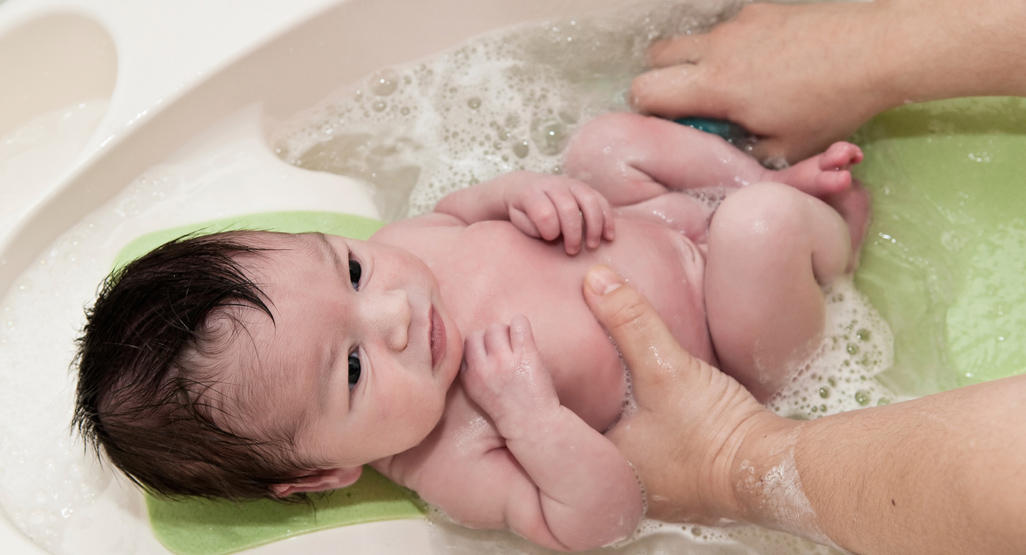
1. Executive Summary: The Battle for Retention in the Bathing Aisle
In the post-pandemic reconfiguration of the global consumer landscape, the Baby Care market, specifically the Baby Bathing vertical, is undergoing a profound transformation from "traffic dividends" to "retention dividends." With fluctuating global birth rates and a generational shift in parenting philosophies, DTC (Direct-to-Consumer) brands are facing the dual squeeze of skyrocketing Customer Acquisition Costs (CAC) and fragmented consumer loyalty.
According to Global Market Insights, the North American baby care product market is projected to grow from $33.6 billion in 2024 to $50.6 billion by 2034.1 However, this growth is not evenly distributed. The market is consolidating around brands that can deliver extreme emotional value, transparent ingredient backing, and intelligent service experiences. For DTC brands, traditional "points-for-purchase" loyalty programs are proving increasingly ineffective.
This report aims to provide senior e-commerce practitioners, brand founders, and marketing leads with a comprehensive strategic guide. We will deeply analyze the psychological needs of Gen Z and Alpha generation parents, deconstruct the loyalty ecosystems of top brands like The Honest Company, Hello Bello, and Tubby Todd, and integrate RIJOY AI capabilities to plan a smart, predictive membership loyalty solution for 2026.
2. Baby Bathing Niche Market Environment & Trends
2.1 Market Size & Growth Drivers: Beyond Demographics
While birth rates in some developed nations are plateauing, the Average Order Value (AOV) and Customer Lifetime Value (LTV) in the baby bathing market are significantly rising. The core driver behind this is the widespread adoption of "precision parenting" and consumption upgrades.
2.1.1 Market Capacity Forecast
Data shows that the US DTC e-commerce market size is expected to reach $213 billion in 2024, with 89% of businesses optimistic about Recurring Revenue growth in 2025.2 In the specific Organic Baby Toiletries sector, the market is expected to grow at a CAGR of 7.9% from $7.9 billion in 2024 to $12.5 billion by 2030.3
2.1.2 Key Growth Factors
- Ingredient Awareness: Parents are scrutinizing ingredient lists more strictly than ever. The rejection of Parabens, Phthalates, and synthetic fragrances has driven the explosion of "clean label" products.4
- Microbiome-Friendly: Trends for 2025 and beyond indicate that products supporting the balance of infant skin microbiomes will become mainstream, with probiotic and prebiotic-infused washes replacing traditional strong cleansers.5
- Subscription Economy Penetration: In the Replenishment subscription model, baby products (like The Honest Company) show extremely high stickiness. The average monthly churn rate is controlled around 7.5%, far lower than fashion subscriptions.2
2.2 Competitive Landscape: The Tug-of-War Between Legacy & DTC
The market presents a polarized trend. On one side, legacy giants like Johnson's are attempting digital transformation to win back youth; on the other, DTC brands like Tubby Todd and Hello Bello are capturing territory through community and subscription models.
Brand Type | Core Strengths | Loyalty Pain Points |
Traditional Retail Brands (e.g., Johnson's, Aveeno) | Wide channel coverage, significant price advantage, high brand awareness. | Lack of first-party data, difficulty establishing direct emotional connections, weak DTC channels. |
Top DTC Brands (e.g., Honest, Hello Bello) | Complete user data loop, mature subscription models, distinct brand personality. | High Customer Acquisition Cost (CAC), heavy reliance on Facebook/TikTok ads, need to dilute costs via LTV. |
Emerging Niche Brands (e.g., Pipette, Tubby Todd) | Extreme segmentation (e.g., eczema, sensitive skin), extremely high community stickiness. | Limited scale expansion, weaker supply chain resilience, susceptible to imitation by larger brands. |
Deep Insight: In the competitive landscape of 2026, the key for "DTC Brand fastgrowing" is no longer SKU count, but occupying the mental space of "Bath Time." Whoever can transform bathing from a "task" into a "golden moment of parent-child interaction" will win the ultimate battle of "loyalty rewards".
3. Consumer Behavior Deep Dive: Decoding the Loyalty DNA of New Gen Parents
To design an excellent membership system, one must understand the generational characteristics of the target audience. Current parents are in a critical transition period from Millennials to Gen Z.
3.1 Gen Z Parents' Consumer Psychology: Self-Care & Ethical Consumption
Unlike Millennial parents who tended to "sacrifice self for the child," Gen Z parents exhibit significant "Self-care" characteristics.
- Rejecting the Sacrifice Narrative: Healthline research indicates that 57% of Gen Z parents did not reduce spending on themselves after having children, compared to only 49% of Millennials.6 This means a successful Baby Bathing loyalty program cannot just reward baby items; it must include products that help Mom/Dad relax (e.g., aromatherapy, hand cream, SPA vouchers).
- Omnichannel Nomads: Gen Z parents have low loyalty to single channels. They have reduced shopping frequency at traditional department stores (-16%) and discount stores (-15%), turning instead to embrace DTC brands that offer seamless online experiences and value resonance.6
- Value Sensitivity: They don't just buy products; they buy values. Sustainability, Fair Trade, and Cruelty-free are their baselines for brand selection.7 If a Loyalty Program links points to tree planting or ocean conservation, participation will significantly increase.
3.2 The Ritual & Emotional Attachment of "Bath Time"
In the baby category, "bathing" holds unique psychological significance. It is not just a cleaning process but a core scenario for building parent-child Bonding.
- Touch & Oxytocin: Scientific studies confirm that touch during bathing stimulates infants to release Oxytocin, increasing eye contact and smiling while reducing crying.8 This gives bath products an inherent "emotional attribute."
- New Parent Anxiety: For new parents, bathing a soft newborn is often accompanied by immense pressure (fear of slipping, cold, soap in eyes).
- Loyalty Opportunity: Brands shouldn't just sell body wash; they must sell "Bathing Confidence." If member benefits include "expert-guided bath video courses," "non-slip soothing guides," or "baby bath milestone tracking," deep "AI customer retention" will be established by alleviating anxiety.
3.3 Purchase Frequency & Lifecycle Characteristics
- High Frequency Necessity: 60% of parents buy baby products online at least once a month.9 Bathing products, as consumables, have natural subscription attributes.
- Lifecycle Drop-off: The typical user lifecycle is divided into three stages: Newborn (0-6 months, high sensitivity, high unit price), Infant/Toddler (6-24 months, high volume, seeking value), and Child (2 years+, seeking fun). Most brands face huge Churn at the 2-year mark as parents switch to supermarket shelf brands.
Data Support: Successful subscription models in replenishment products can control monthly churn rates at around 7.5%, while brands unable to provide continuous value (education, community, new products) may see churn rates as high as 15% or more.2
4. Industry Benchmark Loyalty Practice Landscape
Through deep research into The Honest Company, Hello Bello, Tubby Todd, and Mustela, we have summarized the most effective Loyalty models currently in the market.
4.1 The Honest Company: Victory of Ecosystem & Lifestyle
Model Type: Ecosystem Loyalty
Core Mechanisms:
- Digital Account & Gift Card Flywheel: Honest strategically promotes its digital gift card system. Data shows that customers who register for digital accounts have a redemption rate as high as 92%.10 By incentivizing users to reload (Gift Card Reload), the brand locks in future cash flow and wallet share.
- Subscription as Loyalty: Their "Diapers + Wipes Bundle" is the core of retention. Subscribers not only enjoy 15%-20% discounts but also get "Subscriber Exclusive" prints and priority access to new products.11 This sense of "privilege" is key to preventing churn due to price sensitivity.
- Omnichannel Points Integration: After purchasing products at offline retailers (like Target), users can upload receipts or scan QR codes to earn points in Honest Rewards. These points can redeem products or third-party gift cards, creating an online-offline loop.11
Data Validation: This strategy helped Honest increase gross margins from 24% to 40.4% during economic volatility 12, proving high-loyalty users' acceptance of brand premiums.
4.2 Hello Bello: Extreme Value & "Surprise" Subscription
Model Type: Surprise & Delight Loyalty
Core Mechanisms:
- Highly Customizable Bundle Builder: Hello Bello allows parents to assemble subscription boxes like playing with Legos, mixing different sizes and patterns.13 This deep engagement (IKEA Effect) increases users' psychological valuation of the product.
- Add-on Economics: Subscribers enjoy 15% off when adding extra products (shampoo, bubble bath, sunscreen).14 This is an extremely effective method to increase AOV, expanding a single diaper subscription into a full-category bath subscription.
- Variable Rewards: The brand frequently places random stickers, small toys, or samples in subscription boxes. Psychological research shows that uncertain rewards reinforce behavioral habits more than fixed rewards.15
Data Validation: Hello Bello achieved an 85% repeat purchase rate during its MVP stage and captured 10% of the plant-based baby product market share within a year.16
4.3 Tubby Todd: Community-Driven Tiered System
Model Type: Community-Based Loyalty
Core Mechanisms:
- Club Tub Tier System:
- Friends: Join for free, 1x points.
- Besties (Annual Spend $100+): 1.25x points, 15% discount.
- B.F.F.s (Annual Spend $200+): 1.5x points, 20% discount, exclusive double points days.17
- Insight: The threshold is set precisely; $100-$200 covers a US family's basic annual bath expenditure. This incentivizes users to concentrate fragmented purchases on Tubby Todd.
- Non-Transactional Rewards: Points are earned by following social media, writing reviews, and joining "The Mamas Group" community.18 This encourages massive UGC (User Generated Content), lowering CAC.
- Emotional Naming: Using "Bubbles" instead of "Points" fits the brand tone perfectly and enhances playfulness.
Data Validation: Brands using similar systems (like LoyaltyLion) typically see Loyalty members' LTV at 2-3x that of non-members, contributing 30%-40% of total site revenue.19
4.4 Mustela & Pipette: Education & Trust Driven
Model Type: Education-Based Loyalty
Core Mechanisms:
- MyMustela Rewards: Emphasizes earning points through "learning." Reading skincare articles and filling out skin condition questionnaires earn rewards.21 This is highly attractive to anxious parents of babies with sensitive skin.
- Pipette's Transparency Promise: Pipette attracts ingredient-conscious parents by emphasizing "EWG Verified" and banning 2000+ ingredients.22 Its membership program combines "Free Full-Size Gifts" to lower the barrier for trying new ingredients.23
5. Baby Bathing Category Loyalty Key Metrics Benchmarks (2024-2025)
Before designing solutions, we must define data standards for "success." Below are core KPI benchmarks organized from industry reports.
Key Metric | Industry Avg | Top Quartile | Insight | Source |
Retention Rate | 20% - 30% | > 45% | Beauty/Personal Care standard; top brands boost this via subscriptions. | 24 |
Repeat Purchase Rate | 20% - 25% | 40% - 50% | Bath products are high-frequency; <25% indicates product issues. | 25 |
Average Order Value (AOV) | $72 | $112+ | Loyal members are willing to buy Bundles or Add-ons. | 26 |
LTV:CAC Ratio | 3:1 | 5:1 - 6:1 | With rising CAC, models below 3:1 struggle to survive. | 27 |
Subscription Churn (Monthly) | 7.5% - 10% | < 5% | The lifeline of replenishment subscriptions. | 2 |
Redemption Rate | 10% - 15% | > 20% | Only redeemed points create stickiness; "sleeping points" have no value. | 28 |
Loyalty Revenue Contribution | 15% - 20% | 30% - 40% | Core fans buy more and bring high-value Referrals. | 20 |
Deep Insight: The "Bathtub Curve" Trap of LTV
In the baby bath category, LTV growth often peaks at 0-6 months, plateaus at 6-18 months, and falls off a cliff after 24 months as the baby grows.
- Pain Point: Many brands' Loyalty Programs fail at the 2-year mark.
- Opportunity: Excellent Loyalty solutions must include a "Migration Path," e.g., automatically pushing "Big Kid" bubble bath products and "Growth Rewards" when the baby turns 2.
6. 2026 Loyalty Custom Solution: Strategic Planning with RIJOY AI
Based on an in-depth analysis of RIJOY AI (https://www.rijoy.ai/) modules (AI Sidekick, Viral Referrals, VIP Tiers, Predictive Churn), we have designed a phased growth solution for Baby Bathing DTC brands. The core philosophy is shifting from "Transactional Points" to "AI-Driven Predictive Care."
6.1 Phase 1: The Seed Stage (Startups) —— Building Trust & Viral Growth
Goal: Acquire seed users at extremely low cost, build brand trust, accumulate first-party data.
Core Challenge: Zero awareness, parents hesitant to trial on babies.
RIJOY AI Solution Configuration:
- AI-Driven "Mom-to-Mom" Viral Referral (Viral Referral 2.0)
- Mechanism: Utilize RIJOY's "Viral referral features" 29 to design a "Gift a Bath" campaign. Not just sending a coupon, but allowing existing users to send a "Free Trial Gift Pack" to friends (friend pays shipping, or brand covers).
- AI Empowerment: RIJOY's AI algorithms track which users generate the highest conversion rates. For high-conversion KOCs (Key Opinion Consumers), the system automatically triggers a "Brand Ambassador" invitation, granting double points and exclusive discount codes.
- Logic: The trust chain in mom circles is incredibly strong; friend recommendations convert at 4x the rate of ads.28 A "Gift" penetrates psychological defenses better than a "Coupon."
- Conversational Onboarding (AI Sidekick Onboarding)
- Mechanism: Use RIJOY's "AI Sidekick" 30 widget on the site. When a user browses "Eczema Cream" for over 30 seconds, the AI automatically pops up.
- Script Example: "Worried about baby's dry skin? I'm's care assistant. Join our membership (free) and I'll send you a dermatologist-approved 'Newborn Bath Guide,' plus take 10% off your first order."
- Value: Transforms passive registration into active "problem-solving" service, significantly boosting sign-up rates.
6.2 Phase 2: The Growth Stage —— Boosting AOV & Gamified Retention
Goal: Increase AOV, grow subscription ratio, maintain activity through gamification.
Core Challenge: Churn begins to appear; single products cannot support LTV.
RIJOY AI Solution Configuration:
- Dynamic Scenario-Based VIP Tiers
- Architecture:
- Tier 1: Splash Starter: Join for free, lower free shipping threshold.
- Tier 2: Bubble Buddy: Spend $150+. Benefit: Quarterly Surprise Box (Blind Box mechanism), New Product Trial access.
- Tier 3: Tub Time Hero: Spend $300+ or Subscribe. Benefit: Exclusive 24h support, Birthday Double Points, Cross-brand perks (e.g., Yoga class, Storybook App membership).
- RIJOY Application: Use "Launch tiered VIP levels tailored to brand niche" 30 to automate tier upgrades/downgrades and send "FOMO" alerts via SMS/Email when users are close to the next tier.
- "Bath Challenge" Gamification System (Gamified Bath Time)
- Mechanism: Combine with a mini-app or RIJOY plugin to launch a "21-Day Happy Bath Challenge." Parents log daily baths (can be a check-in or uploading cute, non-revealing moments).
- Rewards: Check-in 7 days for 100 points; 21 days for a brand-customized "Rubber Ducky" physical toy.
- Logic: Turn a chore into a game.31 Physical toys act as high-perception, low-cost gifts that enhance brand presence in the bathroom.
6.3 Phase 3: The Maturity Stage —— Ecosystem Building & AI Predictive Defense
Goal: Extreme personalization, family ecosystem building, churn prevention via AI prediction.
Core Challenge: Traffic ceiling, competitors poaching with price wars, user lifecycle ending (baby grows up).
RIJOY AI Solution Configuration:
- AI Predictive Churn Prevention
- Mechanism: Leverage RIJOY and Shopify ecosystem AI analytics 32 to monitor user behavior signals (Risk Signals) 24/7.
- Signal Examples: Longer visit intervals, unsubscribing from emails, searching competitor keywords on-site, mentioning "baby grew up" on social media.
- Automated Intervention: Once AI flags a high-value user as "At Risk," it triggers a Retention Flow.
- Scenario A: Price sensitive? Send a 24-hour limited 20% OFF coupon.
- Scenario B: Baby grew up? Push "Big Kid" series intro and transition gift pack.
- Scenario C: Bad experience? Trigger a CEO-signed care email inviting 1-on-1 feedback.
- Family Lifecycle Ecosystem Management
- Mechanism: Launch "Sibling Rewards." If the system identifies (via purchasing newborn products again) that an old user has a second child, AI automatically switches the account back to "Newborn Mode."
- Benefits: Push a special "Second Child Bundle" and reset specific newborn perks.
- Trend: In 2026, this kind of automated service based on family data models will be standard.
7. 2026 Industry Trend Outlook: Agentic Commerce & Emotional Computing
7.1 AI Agents as New "Gatekeepers" (The Rise of Agentic Commerce)
By 2026, purchase decisions will increasingly be managed by AI Agents rather than humans alone.34
- Scenario: Parents will ask Siri or ChatGPT: "Buy me a safe ingredient body wash for a baby with eczema, good value."
- Loyalty Response: Brands must optimize Structured Data for AI readability. Loyalty Programs need API endpoints allowing user AI assistants to query points and redeem rewards. If your rules are too complex, AI agents might skip your brand.
7.2 Sustainability as Loyalty
Gen Z and Alpha parents view "participating in eco-protection" as social currency.
- Loyalty Response: Establish an "Empty Bottle Recycling Program." Users return bottles for RIJOY points. This solves an eco-pain point and creates a strong physical touchpoint and reason for return visits. Brands should display "Eco-Contribution" values (e.g., You've saved 2kg of plastic) on the Loyalty page.
7.3 Emotional Computing & Mental Health (Emotional AI)
Future Loyalty will care about parents' mental health.
- Loyalty Response: Points shouldn't just redeem products but also meditation App memberships, parenting counseling, or "Sleep Music." The brand role shifts from "Bath Product Provider" to "Parenting Partner."
8. Technical Implementation Guide & SEO Execution
To ensure this report translates into a high-value SEO landing page, follow this architecture.
8.1 Landing Page Technical Architecture
- URL Structure:
domain.com/loyalty-programordomain.com/rewards. - Meta Data Optimization:
- Title: "Best Baby Bathing Loyalty Program | Earn Rewards on Organic Skincare"
- Description: "Join the family. Earn points on every wash, unlock exclusive parenting guides, and get free eco-friendly gifts. Sign up for 10% off."
- Schema Markup: Use
LoyaltyProgramSchema markup so Google can directly crawl point rules and tier levels.
8.2 RIJOY Integration Steps
- Install & Configure: Install RIJOY from the Shopify App Store, sync historical customer data.
- Rule Setting: Set Earning and Spending Rules corresponding to the "Seed/Growth/Maturity" stages mentioned above.
- UI Customization: Ensure the RIJOY Widget colors match Brand VI (Visual Identity) to avoid the "third-party plugin" look.
- Automation Flows: Set up email flows in Klaviyo or Omnisend linked to RIJOY triggers (e.g., Point Expiration Reminder, Upgrade Congratulations).
Conclusion
In the baby-and-toddler > baby-bathing track, full of love and anxiety, true loyalty comes not just from discounts, but from whether a brand can provide the Certainty and Support parents need in this fragmented, AI-driven era.
By deploying intelligent tools like RIJOY AI, DTC brands can not only improve efficiency and reduce costs but also build a digital membership ecosystem with warmth, prediction capability, and empathy. For brands in 2026, Data is the fuel, AI is the engine, but Empathy remains the steering wheel.
References
- 1 Global Market Insights. (2024). Baby Care Products Market Analysis, Size, By Age Group, 2021 – 2034.
- 2 TrendTrack. (2025). DTC Subscription Brands: Market Analysis & Trends for 2025.
- 6 Healthline Media. (2019). Healthline Parenthood Shopping Study: Gen Z vs Millennial Parents.
- 4 Baby Innovation Awards. (2025). Baby Care Products Industry Report: Trends & Consumer Behavior.
- 9 Amra & Elma. (2025). New Parent Marketing Statistics: Consumer Spending Habits.
- 5 XJ Beauty. (2025). Gentle Formulas for Tiny Faces: Baby Skincare Trends for 2025.
- 27 DataDrew. (2024). Customer Lifetime Value (LTV) Guide: Formula, Benchmarks & Strategy for D2C Brands.
- 26 RetentionX. (2022). D2C Benchmarks Report.
- 18 Tubby Todd. (2024). Club Tub Loyalty Program Details & FAQ.
- 17 Tubby Todd. (2024). Club Tub Tiers and Benefits Page.
- 12 The Robin Report. (2024). An Inside Look at The Honest Company's Transformation.
- 11 McKinsey & Company. (2021). Connectivity with the Consumer: The Honest Company's Formula for Growth.
- 13 Recharge. (2025). 2025 Ecommerce Subscription Examples: Hello Bello Case Study.
- 21 Mustela USA. (2024). MyMustela Rewards Program Overview.
- 30 Shopify App Store. (2025). RIJOY: AI Loyalty Rewards App Features & Reviews.
- 29 Shopify App Store. (2025). RIJOY: AI Loyalty Rewards App Details.
- 10 Clutch. (2024). The Honest Company Case Study: Gift Cards & Loyalty.
- 16 Product Monk. (2024). Hello Bello MVP Success Case Study.
- 24 Propel AI. (2024). Customer Retention Statistics for the Beauty Industry.
- 32 Shopify App Store. (2025). Foresights: AI Driven Insights & Churn Prediction.
- 35 Ada. (2024). AI in Customer Experience Predictions 2026.
- 34 MarTech. (2024). How AI Agents Will Reshape Every Part of Marketing in 2026.
- 20 LoyaltyLion. (2024). Loyalty Hall of Fame: Case Studies & Results.
- 28 Yotpo. (2024). The Honest Kitchen Case Study.
- 8 ResearchGate. (2012). Importance of Mother-Infant Communication for Social Bond Formation: Bath Time Study.
- 3 Grand View Research. (2025). Organic Baby Toiletries Market Report 2025-2030.
- 31 Capillary Tech. (2024). Comprehensive Guide to Gamification in Loyalty Programs.